


Free Initial Consultation on Injury Cases 704-377-5242
Power Line Easements in North Carolina: What Property Owners Need to Know!

Power line easements in North Carolina allow electric utilities to install, operate, inspect, maintain, and repair transmission or distribution lines on private property while allowing the property owner to maintain ownership of the land.
Because easements can affect property development and use, landowners should understand their rights and the various forms of compensation that they could be owed.
Understanding Power Line Easements in North Carolina
More than 100 investor-owned, cooperative, municipal, and university-owned electric utilities operate across North Carolina, maintaining the infrastructure needed to generate, transmit, and distribute electricity. As utilities expand and modernize the state’s electric grid, new transmission and distribution projects may require utility easements across private property.
A power line easement grants a utility the legal right to install, operate, inspect, maintain, and repair electrical infrastructure on a portion of someone else’s land while the owner retains the title to the property. The easement may restrict the owner’s ability to plant trees, build structures, or conduct other acts that could interfere with utility access.
Easements can involve power lines, natural gas pipelines, and other utility-related construction projects. One recent example involves landowners in Chatham County, who are concerned about a proposed 28-mile natural gas pipeline that is proposed to run between Siler City and Moncure. A June 2026 news story cites concerns from property owners that the project may not meet a legitimate public need, even as their land is threatened by eminent domain.
Compensation You May Be Owed
In North Carolina, the average value of an acre of land is $5,470, and the average home value is $340,430. When a utility acquires a power line easement, however, compensation is not based solely on the amount of land affected. Property owners may also be entitled to recover the fair market value of the easement rights taken, along with compensation for any reduction in the value of the remaining property.
Factors such as restrictions on future development, the placement of transmission structures, loss of trees, diminished access to the property, and other negative impacts on the property’s use and value can all influence the amount of compensation that is owed to a property owner.
Challenges You Could Face Without Legal Representation
Handling a power line easement dispute without strong legal support could leave a property owner at a significant disadvantage. Whether the property is located near Hanging Rock State Park, Holly Acres, High Point Country Club at Willow Creek, or elsewhere in the area, Utility companies often work with experienced appraisers, engineers, negotiators, and attorneys who understand condemnation procedures and how to secure property rights at the lowest cost.
A landowner may not recognize whether an initial offer accounts for the easement’s full impact on the property. The proposed easement could:
- Limit future construction
- Restrict where the owner can plant trees
- Reduce access
- Change plans for how the land is developed
- Decrease the property’s overall market value
- Interfere with agricultural operations
- Limit the placement of fences and other structures
- Require utility crews’ access for maintenance
- Harm the property’s marketability to future buyers
Without an independent valuation, it may be difficult to determine whether compensation includes damage to the remaining property or simply the area affected by the easement. Property owners may also face strict procedural deadlines, complicated legal documents, and pressure to sign quickly. Once an easement agreement is finalized, its terms may bind current and future owners.
Why You Should Hire a Utility Easement Lawyer
If a utility company is seeking or has obtained an easement, it is crucial to understand North Carolina’s utility easement laws and how to properly manage your utility easement case. A North Carolina utility easement attorney with DAS Law Group can review the proposed easement, potentially negotiate higher compensation for your case, work with independent appraisers, and take other steps to protect your rights and interests.
When you hire a utility easement lawyer from DAS Law Group, you gain steadfast support from a legal team that brings more than 100 years of combined experience to these matters. We do not hesitate to initiate litigation when it serves the interests of our clients. Our client-focused approach can protect your interests, so your compensation reflects the harm your property suffers.
FAQs
Are Power Line Easements Public Property?
No. A power line easement does not transfer ownership of the property to the utility company. Rather, the landowner typically retains the title while granting the utility the legal right to install, maintain, inspect, repair, and access electrical infrastructure within the easement area. The property owner may continue using the land so long as those activities do not interfere with the utility’s rights.
Can a Property Owner Block a Power Line Easement in North Carolina?
It depends. Property owners may negotiate the terms of a proposed easement or challenge a utility’s authority to acquire it. However, if the utility has the legal authority to exercise eminent domain and satisfies North Carolina’s statutory requirements, that company may ultimately obtain the easement through condemnation proceedings. An attorney can represent the interests of landowners in these disputes.
What Are North Carolina’s Laws on Utility Easements?
North Carolina law allows certain public utilities and other authorized entities to acquire easements for electric transmission lines, substations, pipelines, and similar public projects. These acquisitions may occur through voluntary agreements or, when authorized by law, through eminent domain. Property owners are generally entitled to fair compensation based on current market rates.
Who Pays Property Taxes on Land Subject to a Power Line Easement?
In most cases, the property owner is responsible for paying property taxes because the easement does not transfer ownership of the land. Although the utility acquires certain rights within the easement area, ownership remains with the original land owner. If the easement significantly reduces the property’s value, that reduction may be relevant when determining fair compensation or future tax assessments.
Protect Your Property Rights by Contacting DAS Law Group Today
A public utility easement can potentially reduce the value of your property and lead to a wide range of complications and inconveniences. If you are seeking unwavering legal support to protect your property rights and interests, you can rely on DAS Law Group to provide you with the steadfast support your case deserves.
Our dedicated team of civil litigators stands ready to provide you with results-driven representation. Contact our office today to schedule your consultation.

request your consultation
* We encourage prospective clients not to use AI research or drafting software in submitting their intake, as that can lead to unintended rejection via our spam filter.
"*" indicates required fields
our location
call us now 704-377-5242
office location
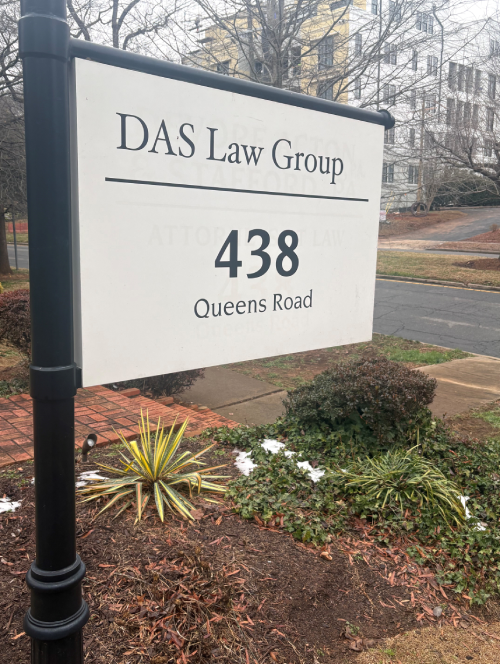
DAS Law Group
438 Queens Road
Charlotte, NC 28207
fax:
704-332-2825
Copyright © 2026 DAS Group, LLP. All rights reserved. Disclaimer | Site Map | Privacy Policy
*Images are obtained under license from Canva and other third-party stock image providers, with attribution included where required.
Digital Marketing By 